

▶ 朗讀全文(中文)
一般鋼琴家用 10 根手指彈琴,如果有 53 根手指,會彈得更好嗎?在義大利,有一台機器人鋼琴家真的長了 53 根手指,還和人類鋼琴家同台「比一比」。
EN Most pianists play with ten fingers. If someone had 53 fingers, would they play better? In Italy, there is a robot pianist that really has 53 fingers, and it even had a “contest” on stage with a human pianist.
▶ 聽英文朗讀
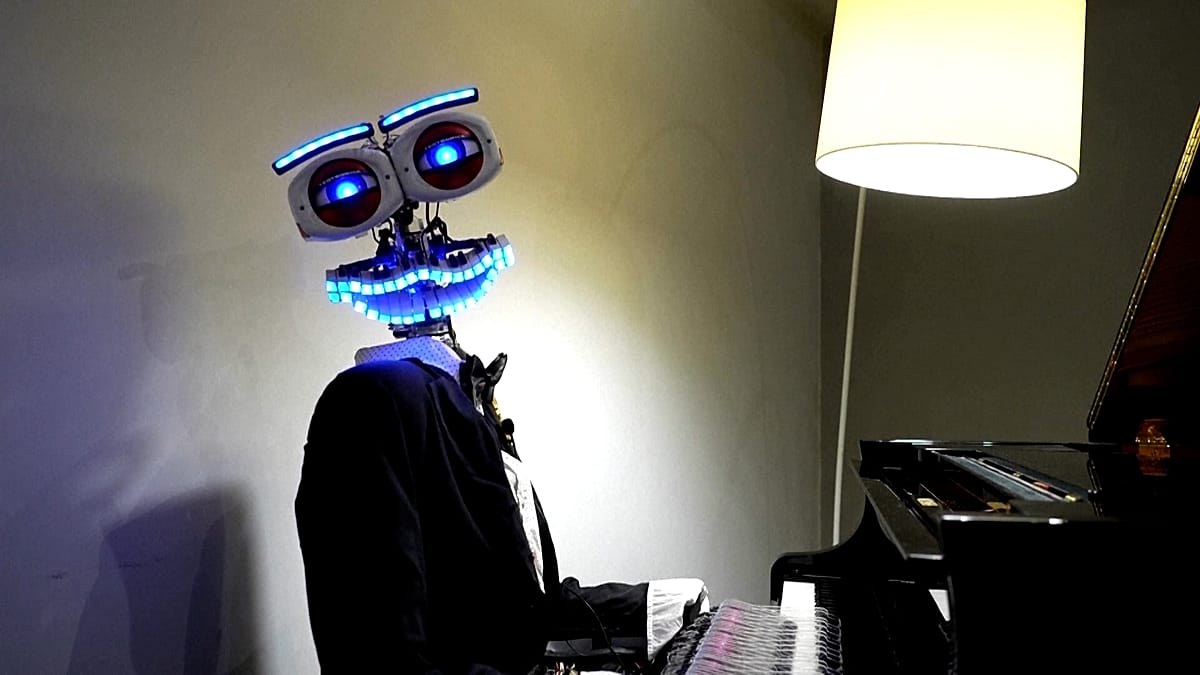
圖片來源:Euronews
根據歐洲新聞台(Euronews)報導,這台機器人叫做「TeoTronico」。11 月 12 日,它在義大利托斯卡尼的普拉托(Prato),和義大利鋼琴家羅貝托・普羅塞達(Roberto Prosseda)一起登台,上演一場人類和機器的鋼琴對決。
EN According to Euronews, the robot is called TeoTronico. On November 12, it went on stage in Prato, Tuscany, Italy, with Italian pianist Roberto Prosseda for a piano battle between a human and a machine.
▶ 聽英文朗讀
輪流彈蕭邦,最後一起合奏
演出一開始,兩位「鋼琴家」輪流獨奏波蘭作曲家蕭邦(Chopin)的作品,讓觀眾比較人類和機器人彈出來的感覺有什麼不同,最後再一起合奏。除了蕭邦,當晚也演奏了莫札特(Mozart)和林姆斯基-高沙可夫(Rimsky-Korsakov)的曲子。
EN At the beginning of the show, the two “pianists” took turns playing solo pieces by the Polish composer Chopin, so the audience could compare how the human and the robot sounded. At the end, they played together. Besides Chopin, music by Mozart and Rimsky-Korsakov was also played that night.
▶ 聽英文朗讀
TeoTronico 是義大利工程師馬泰奧・蘇齊(Matteo Suzzi)在 2008 年打造的,它靠電磁鐵和電腦指令來按琴鍵,53 根手指可以同時按下很多音,彈得又快又準。最近它還接上了 Google 的人工智慧聊天機器人 Gemini,所以不只會彈琴,還能開口和人對話。從 2008 年誕生到現在已經快 18 年,它也算是一位資深的「機器人音樂家」了。
EN TeoTronico was built in 2008 by Italian engineer Matteo Suzzi. It uses electromagnets and computer commands to press the keys, and its 53 fingers can press many notes at the same time, quickly and accurately. Recently it was also connected to Google’s AI chatbot Gemini, so it can not only play the piano but also talk with people. It is almost 18 years old now, so it is quite an experienced “robot musician.”
▶ 聽英文朗讀
歐洲新聞台西班牙語頻道的影片,可以看到機器人和鋼琴家同台的畫面:
EN Euronews’ Spanish-language video shows the robot and the pianist on stage together.
▶ 聽英文朗讀
影片來源:euronews (en español)/YouTube
※ 若影片沒有中文字幕,可點播放器右下角的齒輪 → 字幕 → 自動翻譯 → 中文(繁體)。
技巧完美,但能取代感動嗎?
普羅塞達在演出中想表達的是:就算機器的技巧再完美,也無法取代人類演奏時的情感,以及和觀眾之間的連結。他認為,音樂之所以動人,在於人和人之間的交流。
EN Prosseda wanted to show that no matter how perfect a machine’s skills are, it cannot replace the feelings of a human player or the connection with the audience. He believes music is moving because of the communication between people.
▶ 聽英文朗讀
選蕭邦來比賽也很有意思。蕭邦是 19 世紀的波蘭作曲家,被稱為「鋼琴詩人」,作品以細膩的情感和自由的速度變化聞名,正好最能考驗演奏者的詮釋。機器人可以把每個音都按得分毫不差,但要彈出蕭邦那種忽快忽慢、像在呼吸一樣的感覺,就是另一回事了。
EN Choosing Chopin for the contest was also interesting. Chopin was a 19th-century Polish composer known as the “poet of the piano.” His music is famous for its delicate feelings and free changes in speed, which test a player’s interpretation. A robot can hit every note perfectly, but playing Chopin’s fast-and-slow style, which feels like breathing, is a different story.
▶ 聽英文朗讀
這場演出最後並沒有宣布誰是贏家,答案留給在場的觀眾自己判斷。在人工智慧越來越會寫字、畫圖、作曲的今天,這場「人機鋼琴對決」也讓人思考:什麼是只有人類才做得到的事?下次聽音樂會時,你會更想聽人彈,還是機器人彈呢?
EN In the end, no winner was announced, and the answer was left to the audience. Today, AI is getting better and better at writing, drawing and making music. This “human vs. machine” piano battle makes us think: what can only humans do? The next time you go to a concert, would you rather hear a person or a robot play?
▶ 聽英文朗讀
精選單字
pianist /ˈpiːənɪst/ 鋼琴家
composer /kəmˈpoʊzər/ 作曲家
audience /ˈɔːdiəns/ 觀眾
accurately /ˈækjərətli/ 準確地
replace /rɪˈpleɪs/ 取代
delicate /ˈdelɪkət/ 細膩的
interpretation /ɪnˌtɜːrprəˈteɪʃn/ 詮釋
announce /əˈnaʊns/ 宣布
資料來源:Euronews、Infobae、Euronews Italiano、euronews (en español)/YouTube
