


▶ 朗讀全文(中文)
在零下 24 度的南極跑超級馬拉松,對人類來說已經夠瘋狂了,這次連機器人也報名了。路透社(Reuters)報導,一台名叫 Qestr 的人形機器人,11 月 8 日在東南極毛德皇后地(Queen Maud Land)參加「南極冰雪超級馬拉松」(Antarctic Ice Ultra),和其他參賽者一起站上起跑線。
EN Running an ultramarathon in Antarctica at minus 24 degrees is already extreme for people, and this time a robot signed up too. Reuters reported that a humanoid robot called Qestr joined the Antarctic Ice Ultra in Queen Maud Land, East Antarctica, on November 8. It stood at the starting line with the other runners.
▶ 聽英文朗讀
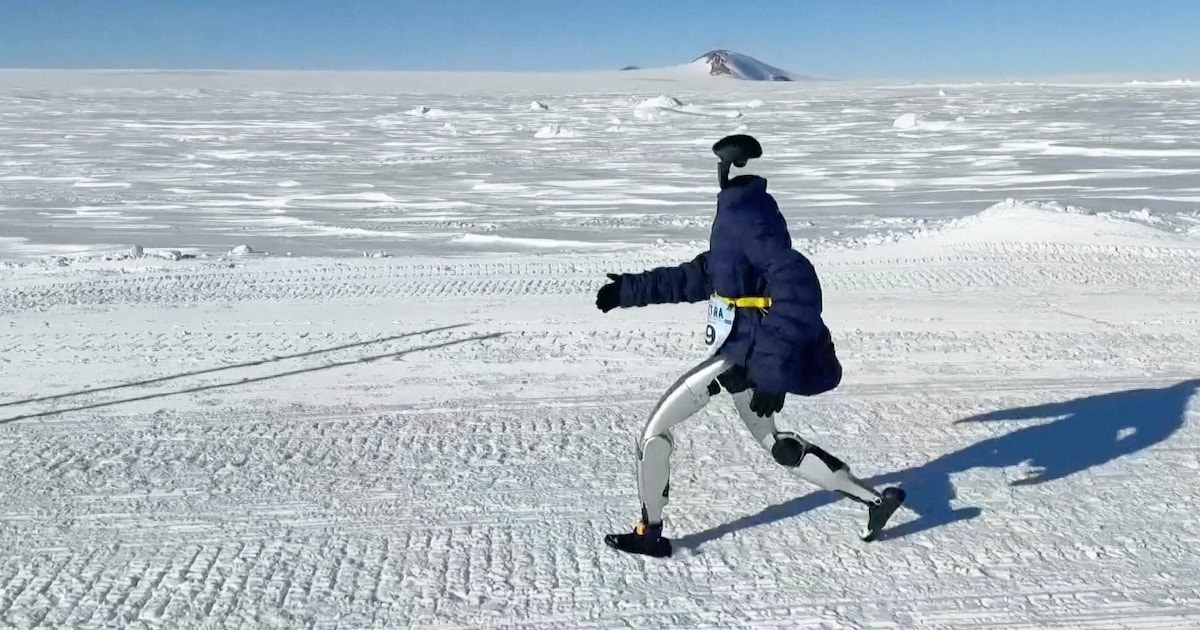
根據中國國際廣播電台「國際在線」和義大利電視台 TG LA7 的報導,Qestr 穿著特製的保暖外套出發,但跑了大約 3 公里,電池就耗盡了,只好退出比賽。主辦方奧利佛・王(Oliver Wang)表示,這是第一次有人形機器人參加這項極限耐力賽,他說:「我想它是全世界第一台和真正的跑者並肩比賽的機器人。」
EN According to China’s CRI Online and Italy’s TG LA7, Qestr started in a special warm jacket, but its battery ran out after about three kilometers, so it had to leave the race. Organizer Oliver Wang said it was the first time a humanoid robot had entered this extreme endurance event. He said he believed it was the world’s first robot to race side by side with real runners.
▶ 聽英文朗讀
半夜 1 點開跑,冰面難不倒它,電池先投降
這場比賽在南極的烏蒂瑪營地(Ultima Camp)一帶舉行。保加利亞 bTV 新聞引述路透社指出,南極這時正值太陽不下山的極晝,比賽在凌晨 1 點鳴槍,氣溫低到零下 24 度。TG LA7 報導,雖然腳下是冰雪和高低不平的地面,Qestr 保持平衡的能力,還是讓其他參賽者和主辦單位都很意外。
EN The race took place near Ultima Camp. Bulgaria’s bTV, citing Reuters, said it was the season when the sun does not set in Antarctica. The race started at 1 a.m., with temperatures as low as minus 24 degrees. TG LA7 reported that, even on ice, snow and uneven ground, Qestr’s balance surprised other runners and the organizers.
▶ 聽英文朗讀
真正擋住它的,反而是續航力。Qestr 身上的保暖外套沒能讓電池撐得更久,跑到 3 公里左右就停了下來。國際在線也指出,如何在極寒環境中保持穩定續航,仍是人形機器人要面對的一大挑戰。
EN What really stopped the robot was its battery life. The warm jacket did not help the battery last longer, and Qestr stopped at around three kilometers. CRI Online also noted that keeping power stable in extreme cold is still a big challenge for humanoid robots.
▶ 聽英文朗讀
印度電視台 India Today Global 在 YouTube 上整理了 Qestr 在南極冰原上奔跑的畫面:
EN India Today Global put together footage of Qestr running across the Antarctic ice on YouTube.
▶ 聽英文朗讀
影片來源:India Today Global/YouTube
※ 若影片沒有中文字幕,可點播放器右下角的齒輪 → 字幕 → 自動翻譯 → 中文(繁體)。
人類跑者繼續拚,100 英里跑了 17 小時
機器人退賽後,人類選手的比賽還在繼續。這次賽事分成 50 公里、80 公里、100 公里和 100 英里(約 160 公里)幾種距離,選手們一路靠熱食和補給撐下去。路透社報導,一名中國跑者以 17 小時 2 分 24 秒跑完 100 英里,刷新了自己的紀錄。
EN After the robot left, the human runners kept going. The event offered 50-kilometer, 80-kilometer, 100-kilometer and 100-mile races, and runners relied on hot food and supplies. Reuters reported that a Chinese runner finished 100 miles in 17 hours, 2 minutes and 24 seconds, beating his own record.
▶ 聽英文朗讀
國際在線也提到,今年 4 月在北京舉行的第二屆人形機器人半程馬拉松,吸引上百支隊伍參加,冠軍機器人用 50 分 26 秒跑完約 21 公里。從北京的柏油路到南極的冰原,Qestr 這次雖然只跑了 3 公里,卻讓大家清楚看到:機器人要走進極端環境,第一個要搞定的就是電力。India Today Global 也在影片最後拋出一個問題:零下 24 度的南極、一顆跟不上的電池,這會不會就是未來極限運動的模樣?
EN CRI Online also mentioned that the second humanoid robot half marathon in Beijing in April attracted more than 100 teams. The winning robot ran about 21 kilometers in 50 minutes and 26 seconds. From Beijing roads to Antarctic ice, Qestr ran only three kilometers this time, but it clearly showed that power is the first problem robots must solve in extreme places. India Today Global ended its video with a question: could this be what future extreme sports look like?
▶ 聽英文朗讀
精選單字
humanoid /ˈhjuːmənɔɪd/ 人形的;類人的
endurance /ɪnˈdʊrəns/ 耐力;持久力
battery /ˈbætəri/ 電池
balance /ˈbæləns/ 平衡
extreme /ɪkˈstriːm/ 極端的;極限的
temperature /ˈtemprətʃər/ 氣溫;溫度
supply /səˈplaɪ/ 補給品
challenge /ˈtʃælɪndʒ/ 挑戰
資料來源:Reuters/FOCUS online、國際在線、TG LA7、bTV Новините、India Today Global/YouTube
