

▶ 朗讀全文(中文)
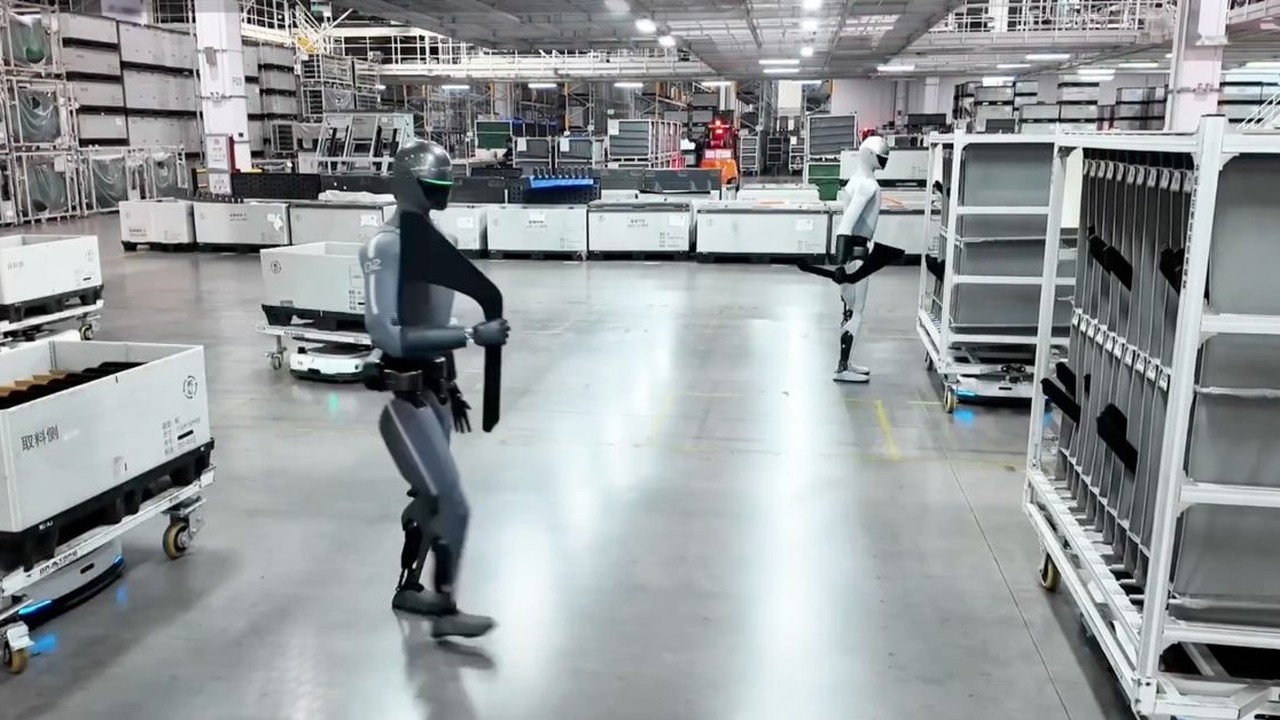
人形機器人能不能上真正的產線,而不是只在展場揮手?中國小米(Xiaomi)11 月 3 日放出影片,展示全尺寸人形機器人在小米汽車工廠的「中控台側蓋分揀工作站」連續作業 8 小時:從料箱取件、搬到料架、放進格位,畫面上還跑著累計工時,並標示「Autonomous, 100x Speed」。
EN Can humanoid robots work on a real production line instead of just waving at an exhibition? On November 3, China’s Xiaomi released a video showing a full-size humanoid working for eight hours at a console side-cover sorting station in its car factory. It picked parts from boxes, carried them to racks, and placed them in slots. A timer appeared on screen alongside the words “Autonomous, 100x Speed.”
▶ 聽英文朗讀
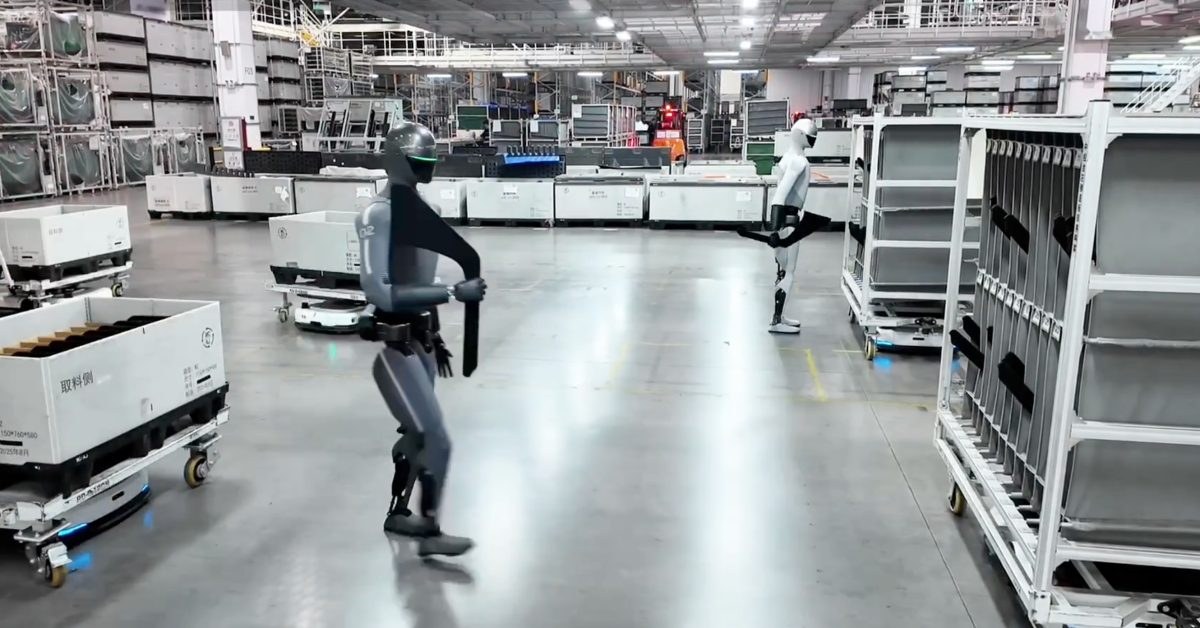
圖片來源:Xiaomi/Electrek
小米宣稱,機器人能自主發現並修正異常,也能和產線控制系統協調,形容這是往真實工業部署再進一步。
EN Xiaomi says the robot can find and correct problems by itself and work with production-line control systems. The company describes this as another step toward real industrial use.
▶ 聽英文朗讀
從實習鎖螺絲,到上滿整班
這是小米今年公開的第三個里程碑:3 月先在北京工廠當「實習生」鎖自攻螺帽,成功率約 90.2%;7 月聲稱提升到 98%,並加入更難的側蓋分揀。執行長雷軍此前也曾說,希望五年內在工廠大量部署人形機器人。
EN This is Xiaomi’s third announced milestone this year. In March, robots began as “interns” driving self-tapping nuts at its Beijing factory, with a reported success rate of about 90.2 percent. In July, the company claimed 98 percent and added the harder side-cover sorting task. CEO Lei Jun has also said he hopes to deploy large numbers of humanoids in factories within five years.
▶ 聽英文朗讀
外媒提醒,影片沒有公布 8 小時到底分揀了多少件、成功率多少、人類介入幾次,也沒說電力是換電池、有線供電還是中途充電。機器人圈過去有過「看起來全自動、其實有人遙控」的先例,因此細節仍待補齊。
EN Media reports point out that the video does not say how many parts were sorted in eight hours, the success rate, or how often people helped. It also does not explain whether power came from battery swaps, a cable, or charging breaks. Since robots have sometimes appeared autonomous while being remotely controlled, more details are needed.
▶ 聽英文朗讀
小米把人形機器人放進自家汽車工廠,好處是場景可控、數據也能回流訓練。和只做舞台演示的公司相比,至少多了「產線節拍」這個現實約束。
EN Using its own car factory gives Xiaomi a controlled setting and data for training. Compared with a stage demonstration, the robot must at least deal with the real pace of a production line.
▶ 聽英文朗讀
外界質疑的點也很實際:8 小時如何供電、失敗誰接手、成本是否低於人力加自動化設備組合。這些問題不回答,量產時程就很難評估。
EN The questions are practical: How is it powered for eight hours? Who takes over when it fails? Is it cheaper than workers using ordinary automation? Without answers, it is hard to judge when large-scale use could happen.
▶ 聽英文朗讀
科技媒體也轉述了小米這支工廠長時間作業影片:
EN Technology media have also shared Xiaomi’s video of long factory work.
▶ 聽英文朗讀
影片來源:tuningblog/YouTube
※ 若影片沒有中文字幕,可點播放器右下角的齒輪 → 字幕 → 自動翻譯 → 中文(繁體)。
最有趣的反而可能是輪子
影片中有一段標成「掉料:多機協作」,一台裝在輪式底盤上的人形上半身滑過來幫忙。平坦工廠地板上,輪子往往比雙腳更省電、更穩、也好塞更大電池。
EN In a section labeled “dropped material: multi-robot cooperation,” a humanoid upper body on a wheeled base moves over to help. On flat factory floors, wheels are often more stable and energy-efficient than legs and can make room for larger batteries.
▶ 聽英文朗讀
也就是說,真正值錢的也許是手、手臂與大腦,不一定非要硬撐著雙腿走路。小米若能補上成功率與干預次數,這支 8 小時影片的說服力會再高一截;在此之前,先把它當成「很猛的進度報告」,而不是已經量產上班的證明。
EN The most valuable parts may be the hands, arms, and brain rather than two walking legs. Success rates and intervention numbers would make the eight-hour video more convincing. Until then, it is an impressive progress report, not proof of mass deployment.
▶ 聽英文朗讀
對勞工議題敏感的社會來說,工廠機器人議題永遠不只是技術。小米若要走得遠,除了影片漂亮,還得說清楚人機如何分工、哪些髒險累工作真正被取代或改善。
EN Factory robots are also a labor issue, not just a technical one. Xiaomi needs to explain how people and robots share work and which dirty, dangerous, or tiring jobs are actually replaced or improved.
▶ 聽英文朗讀
精選單字
autonomous /ɔːˈtɑːnəməs/ 自主的
production /prəˈdʌkʃn/ 生產
milestone /ˈmaɪlstoʊn/ 里程碑
intervention /ˌɪntərˈvenʃn/ 介入
deploy /dɪˈplɔɪ/ 部署
stable /ˈsteɪbl/ 穩定的
efficient /ɪˈfɪʃnt/ 有效率的
convincing /kənˈvɪnsɪŋ/ 有說服力的
資料來源:Electrek
