

▶ 朗讀全文(中文)
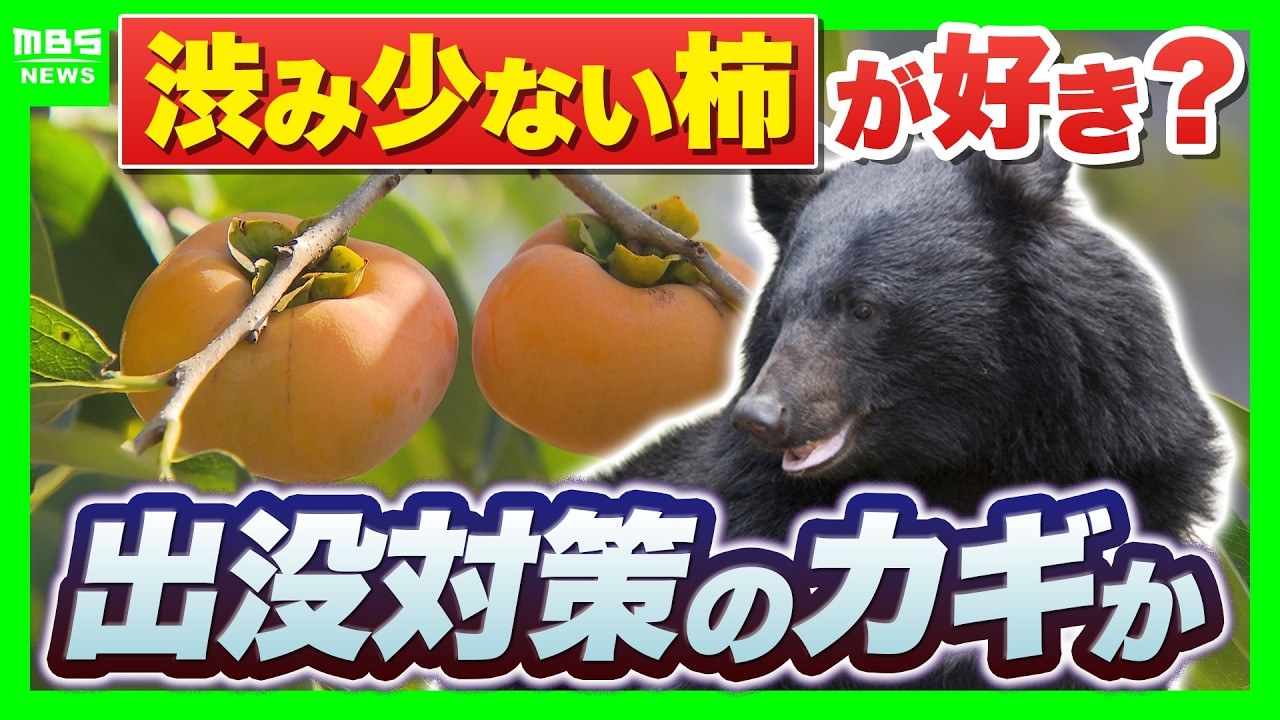
秋天柿子紅了,日本各地也常傳出黑熊跑進村子吃柿子的新聞。但熊對柿子其實很「挑」?兵庫縣立大學自然・環境科學研究所副教授藤木大介,在兵庫縣豐岡市但東町做了 4 年調查,發現熊吃甜柿和澀柿的時間差了好幾個月,關鍵很可能就在「澀味」。
EN As persimmons turn orange in autumn, bears in Japan often enter villages to eat them. But are bears picky about the fruit? Daisuke Fujiki, an associate professor at the University of Hyogo, studied trees in Tanto, Toyooka, for four years. He found that bears ate different types of persimmons months apart. The fruit’s dry, rough taste may be the key.
▶ 聽英文朗讀
圖片來源:MBS NEWS/YouTube
這項研究在 11 月 6 日刊登於日本哺乳類學會的國際期刊《Mammal Study》,關西電視台和 MBS 每日放送都做了報導。近年日本的熊出沒件數創下新高,沒人採收的柿子樹,一直被認為是把熊引到村落的原因之一。
EN The study was published on November 6 in Mammal Study, the international journal of the Mammal Society of Japan. Kansai TV and MBS reported on it. Bear sightings have reached record levels in Japan in recent years. Unharvested persimmons are thought to be one reason bears enter villages.
▶ 聽英文朗讀
甜柿 7 月就被吃,澀柿撐到 11 月底
藤木副教授從 2022 年到 2025 年,持續觀察 152 棵柿子樹,把它們分成完全甜柿、不完全甜柿、不完全澀柿和完全澀柿 4 種,記錄熊在樹上吃柿子時折斷樹枝堆成的「熊棚」(クマ棚)什麼時候出現。
EN From 2022 to 2025, Fujiki observed 152 persimmon trees in four groups, from fully sweet to fully astringent types. He recorded when bears left clusters of broken branches in the trees while eating. These signs helped show when the bears visited.
▶ 聽英文朗讀
結果發現,完全甜柿在 7 月下旬、果實還沒成熟、糖度也很低時就開始被吃;不完全甜柿從 9 月初開始;不完全澀柿要到 9 月下旬以後,完全澀柿更是 11 月下旬以後才被吃。研究也量測了代表澀味成分的可溶性酚含量,發現澀味越早下降的柿子,熊就越早來吃,和果實熟不熟、甜不甜反而沒那麼有關。
EN Bears started eating fully sweet types in late July, even when the fruit was unripe and low in sugar. They ate the other types from early September, late September, and late November. Fruit with an earlier drop in astringency was eaten earlier. Ripeness and sweetness seemed less important.
▶ 聽英文朗讀
MBS 每日放送在 YouTube 上公開了這則新聞,解說熊和柿子的新發現:
EN MBS shared a news video on YouTube explaining the new findings about bears and persimmons.
▶ 聽英文朗讀
影片來源:MBS NEWS/YouTube
※ 若影片沒有中文字幕,可點播放器右下角的齒輪 → 字幕 → 自動翻譯 → 中文(繁體)。
防熊對策:先處理甜柿樹
藤木副教授受訪時說,柿子的澀味成分降到一定濃度以下,似乎是熊決定吃不吃的判斷依據。也就是說,熊可能會「看準」澀柿不再澀口的時機。研究也發現,山裡食物歉收的年份,熊吃柿子的頻率會更高,開始吃的時間也會提早。
EN Fujiki said bears seemed to eat the fruit after its astringent compounds fell below a certain level. Bears may be choosing the moment when the fruit loses its rough taste. In years with less food in the mountains, they ate persimmons more often and started earlier.
▶ 聽英文朗讀
研究者建議,想預防熊出沒,優先砍除或處理沒人採收的甜柿樹會比較有效;而到了現在這個時期,澀味已經消退的澀柿也要多加注意。不過這是兵庫縣北部一個地區的調查成果,其他地區是否也一樣,還需要更多研究來確認。
EN The researchers suggest dealing with unharvested sweet persimmon trees first to help prevent bear visits. Astringent types also need attention once they lose their rough taste. However, the study covered one area of northern Hyogo. More research is needed to see whether the same pattern appears elsewhere.
▶ 聽英文朗讀
研究也提到,熊的身體可能具備減輕澀味成分影響的機制,未來還需要透過餵食實驗進一步驗證。
EN The study also suggests that bears may have ways to reduce the effects of astringent compounds in their bodies. Future feeding experiments will be needed to test this idea.
▶ 聽英文朗讀
精選單字
persimmon /pərˈsɪmən/ 柿子
astringent /əˈstrɪndʒənt/ 有澀味的
unripe /ˌʌnˈraɪp/ 未成熟的
observe /əbˈzɜːrv/ 觀察
compound /ˈkɑːmpaʊnd/ 化合物;成分
harvest /ˈhɑːrvɪst/ 採收
prevent /prɪˈvent/ 預防
experiment /ɪkˈsperɪmənt/ 實驗
